Why Simple Online Games Still Have Such Lasting Appeal
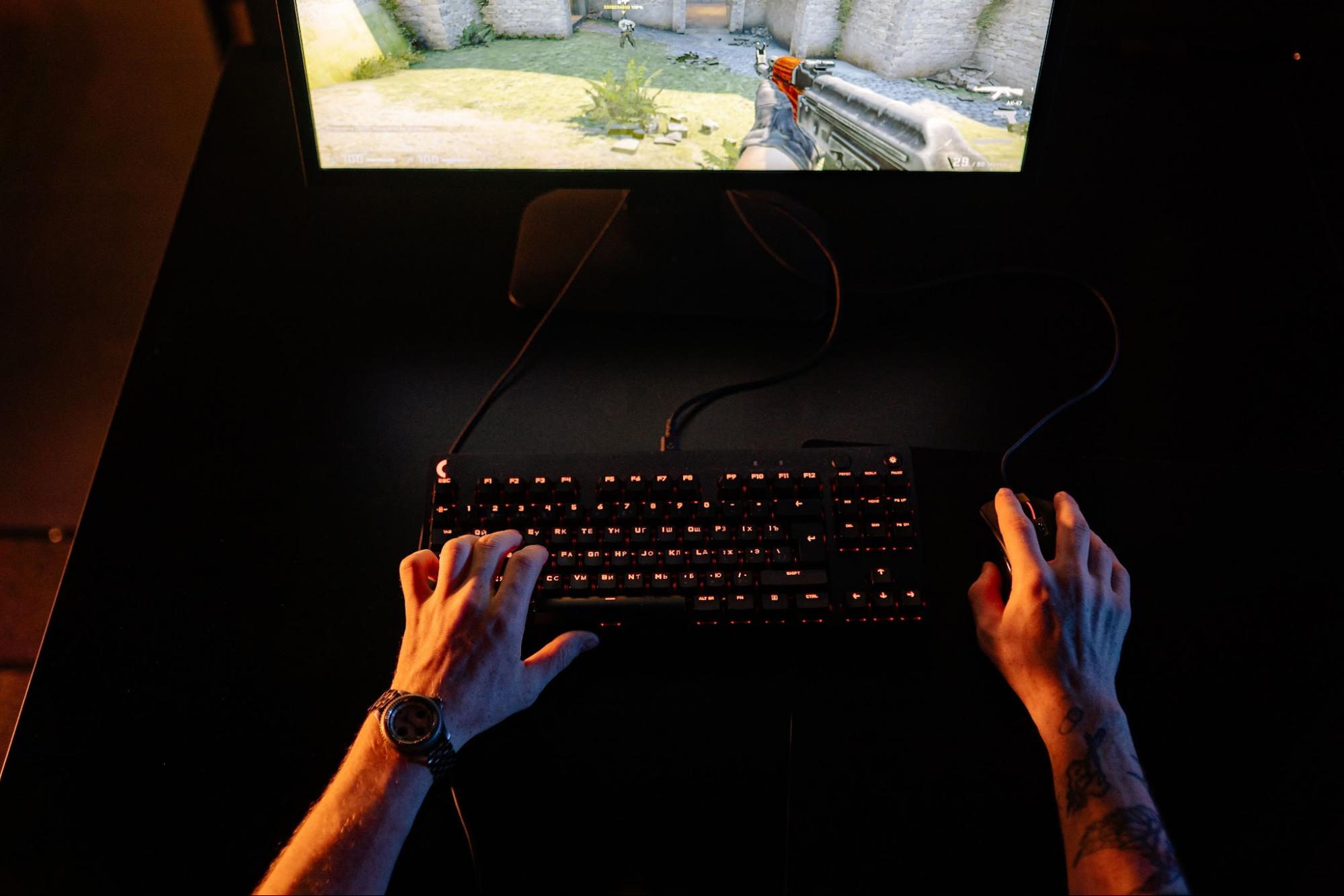
More than 205 million Americans play video games, according to the Entertainment Software Association. That number tells you something before we even talk about consoles, big releases or expensive hardware: play has become part of everyday digital life in the U.S. It also explains why lightweight formats, from puzzles to a quick spin at jackpot city south Africa, keep finding people who would never call themselves serious gamers.
Simple online games sit comfortably inside that habit. You don't need to study a rulebook, download a giant file or rearrange your evening. You can tap into a puzzle, card game, randomizer, spin game or casino-style format and understand the rhythm almost straight away.
That's a big part of the appeal. The best simple games respect your time.
The One-Click Comfort Zone
When a game is easy to start, you're more likely to give it a chance. That sounds obvious, but it explains a lot about why browser-friendly and mobile-friendly games keep finding an audience.
The ESA reported that U.S. consumer spending on video games reached $59.3 billion in 2024, including $51.3 billion on content, $4.9 billion on hardware and $3.2 billion on accessories. Those figures show how deeply games now sit within our entertainment spending, but they also remind us that not every gaming moment has to be a full production.
Sometimes you just want something that begins now.
That's where simple online games have an advantage. They fit around the small pauses in your day: waiting for food, sitting on the train, taking a break after work or giving your mind a quick reset between tasks. You're not committing to a campaign or learning a new control system. You're just playing.
Device access helps, too. DataReportal's 2025 global report cited GWI Q3 2024 data showing that 97% of internet users own a smartphone. When the main device is already in your pocket, short-session entertainment has fewer barriers.
Good simple game design usually comes down to a few clear choices:
- Fast access, so you can begin without a long setup
- Clear rules, so you know what to do within seconds
- Short rounds, so you can stop when you need to
- Immediate feedback, so every tap, spin, match or choice feels readable
That's the real craft behind easy play. A simple game may look effortless, but the best ones are carefully built so you don't feel lost.
Familiar Rules and Fresh Clicks
The appeal grows stronger when the format already feels familiar. Matching tiles, drawing cards, spinning wheels, rolling dice, solving word puzzles and choosing numbers all borrow from ideas you've known for years.
That's why many people who don't think of themselves as gamers still enjoy games. Pew Research Center notes that 43% of U.S. adults say they often or sometimes play video games. Pew's earlier adult gaming research also found that 49% of American adults had played video games on a computer, TV, game console or portable device such as a cellphone, while only 10% considered themselves gamers.
That gap tells us that play can be part of your life without becoming part of your identity.
You might play a word game every morning and never call yourself a gamer. You might use a randomizer to make a small decision, try a quick card game after dinner or enjoy a slot-style game because the symbols and sequence make sense quickly. The language around gaming can feel big, but the experience itself can be very light.
This is also where old-school web culture still has charm. Sites built around simple tools, quick games, generators and browser utilities remind us of an internet that didn't ask for much before giving you something to do. You clicked, it worked and that was enough.
Modern instant-play formats carry some of that same feeling. That's best understood as an example of the wider online casino format rather than a claim about local availability, since online casino access depends on regulation where you live.
And that small distinction helps. Simple games can be fun to discuss without overstating what they offer or where they're available.
Small Games With Big Staying Power
Simple games last because clarity keeps bringing people back. If you understand the rules quickly and the session fits your mood, you don't need novelty every time.
Sensor Tower's 2024 State of Mobile Gaming report found that, in the U.S., only 13.3% of the top 1,000 mobile games by downloads were newly launched in 2023, the lowest share in five years. The same report said this was largely connected to a drop-off in hypercasual games, which it described as more pick-up-and-play with a short shelf life.
That doesn't mean simple games have lost their place. It suggests the market has matured, and familiar titles can hold attention when they deliver a clean, repeatable experience. You return to what feels easy to understand, especially when your attention is already being pulled in several directions.
Sensor Tower also reported that the top U.S. mobile subgenres by consumer spend in 2023 included Slots and 4X March Battle. That pairing is interesting because it shows two very different kinds of appeal: one based on quick, familiar casino-style loops, and another based on deeper strategy. Both can succeed, but they ask different things from you.
Online casino-style games belong in this conversation because many of them rely on simple rules, short rounds, recognizable symbols and quick feedback. The American Gaming Association figures reported in 2025 put U.S. online casino revenue at $8.41 billion in 2024, up 28.7% year over year. That growth should be framed carefully, since online casino play is regulated by state and limited to eligible adults where permitted.
Still, the wider point is clear. If a game can explain itself in seconds, does it have a better chance of becoming part of your routine than one that asks for an hour of learning first?
The Lasting Pull of Easy Play
Simple online games endure because they meet you where you are. They're easy to start, familiar enough to feel welcoming and flexible enough to fit into small moments without asking for more than you want to give.
The ESA also reported that, among U.S. adults, 84% agree video games provide mental stimulation, 81% agree they provide stress relief and 76% agree they bring people joy through play. Those numbers help explain why easy play continues to earn space in your day.
The future of simple games will likely depend on clearer design, better access and formats that feel understandable from the first click.