Why Artificial Green Walls Keep Showing Up In American Offices And Cafes
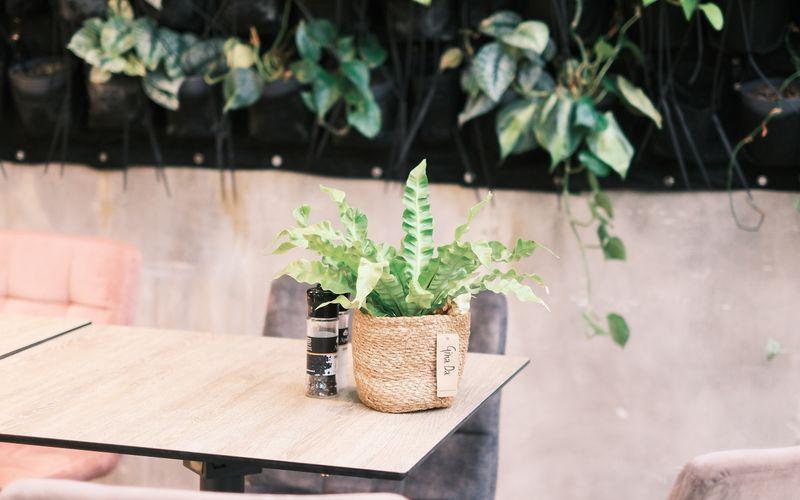
Walk into a newly renovated coffee shop in Austin, a dental office in Denver, or a co-working floor in Chicago. Somewhere on the way to the counter, you will pass a wall of foliage. Very little of that greenery on the wall is actually alive. Artificial green wall panels moved from novelty to standard finish over roughly five years. Design trends had less to do with it than a recurring plumbing bill nobody wanted to keep paying. Living walls need irrigation, drainage, light, and someone on payroll who knows what root rot looks like.
Maintenance Costs Pushed Designers Toward Artificial Foliage
Living green walls carry an ongoing service contract that most tenants discover only after signing one. Irrigation lines fail, grow lights burn out, and a single dead section ruins the look of an otherwise healthy installation. Commercial landlords in Texas and Arizona ran into a second problem because summer heat load through west-facing glass cooks living plants that thrive elsewhere. Artificial panels removed that entire category of failure from the equation.
Foliage Density Decides Whether A Wall Convinces
Cheap panels give themselves away from clear across the room. Density describes how many leaf stems sit per square foot, and low-density panels reveal their plastic backing grid under overhead lighting. Good panels mix leaf shapes, leaf sizes, and at least two or three shades of green so the surface reads as organic instead of printed.
- Look for mixed foliage types such as boxwood, fern, and ivy within a single panel instead of one repeated leaf.
- Check that the backing grid stays invisible when the panel is viewed straight on under bright light.
- Confirm panels interlock on all four edges so seams disappear across a large wall run.
Suppliers such as Green Warehouse publish density and leaf mix details on each listing, which lets a specifier compare honestly. Designers sourcing artificial foliage panels for interior walls usually order a single sample first and hold it against the actual lighting in the room.
UV Rating Determines Where A Panel Belongs
Sunlight destroys untreated polyethylene foliage faster than most buyers expect. Panels without UV inhibitors fade toward yellow within a season on a Phoenix patio or a Miami rooftop bar. UV-stabilized panels hold color for years outdoors, though they cost more per square foot and get specified only where they earn it. Green Warehouse separates indoor and UV-protected lines for that reason, since an indoor panel behind a reception desk faces no ultraviolet exposure worth paying for. Buyers who mix the two lines correctly spend less overall.
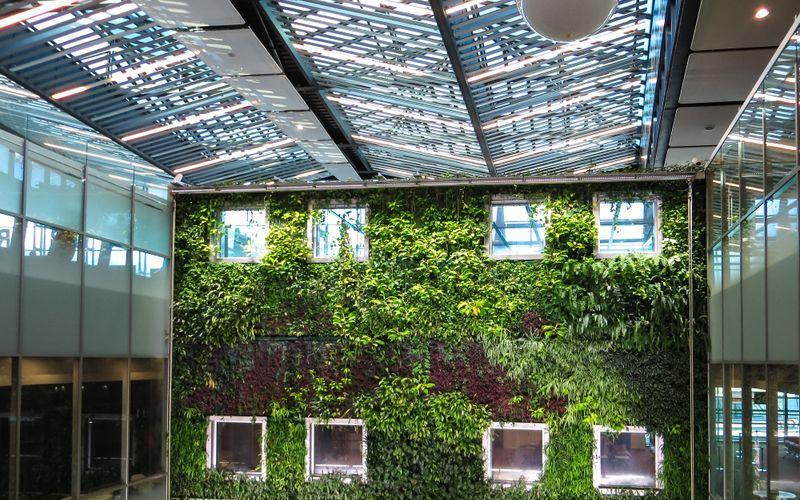
- Specify UV-protected panels for patios, courtyards, rooftop bars, and any wall receiving direct afternoon sun.
- Choose standard indoor panels for lobbies, corridors, meeting rooms, and retail interiors with no window exposure.
Installation Surfaces Change The Whole Mounting Plan
Panels attach differently depending on what material sits behind them. Drywall needs anchors rated for the finished weight, concrete needs masonry screws and a hammer drill, and PVC or wood accepts standard fasteners without much fuss. Most panels cut cleanly with heavy scissors or a utility knife, which matters around outlets, switch plates, and window returns. Green Warehouse panels ship in common sizes such as twenty-four by sixteen inches and forty by forty inches, so calculating coverage takes basic arithmetic instead of a quote request.
- Add roughly ten percent to your square footage estimate to cover trimming waste around fixtures and corners.
- Mount a plywood or furring strip layer first when the wall behind is uneven brick or block.
- Run a chalk line before the first row, since a crooked start compounds across every panel above it.
Event Backdrops Borrowed The Idea From Retail
Photo walls turned artificial hedge into a rental business almost overnight. Wedding planners, trade show exhibitors, and marketing teams building pop up activations all needed a backdrop that survives transport and looks identical at every stop. Foliage panels mount to plywood frames, roll into a van, and reassemble in under an hour. Anyone studying how mobile brand activation builds come together will notice greenery appearing in almost every one. Green walls photograph well under mixed lighting, exactly where painted backdrops tend to go flat. Green Warehouse sells into that market alongside its commercial interiors work.
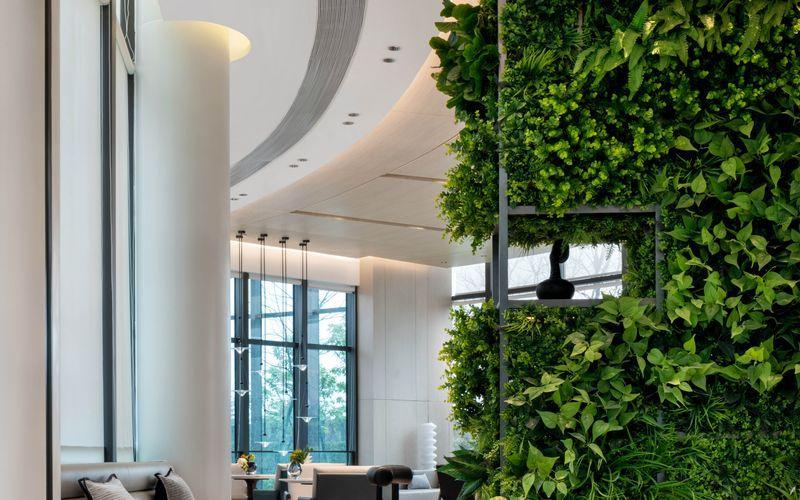
Alt Text: modern indoor lounge featuring a full height vertical garden feature wall
Caption: A single feature wall often carries the entire visual identity of a lobby or lounge.
License: Pexels License, free for commercial use, no attribution required
Greenery Without Watering Cans Or Grow Lights
Artificial panels earn their place by removing decisions instead of adding them. No irrigation schedule, no light meter, no seasonal replanting, and a damp cloth handles most of the upkeep. Specifiers should still ask about fire rating for commercial jobs, since many jurisdictions reference NFPA 701 for interior wall finishes. Green Warehouse and similar American suppliers ship direct, which shortens lead times against imported alternatives. Vertical greenery stopped being a statement several years ago, and now it simply reads as a finished wall.