When Wildlife Moves In: A Homeowner's Guide to Reclaiming Your Space
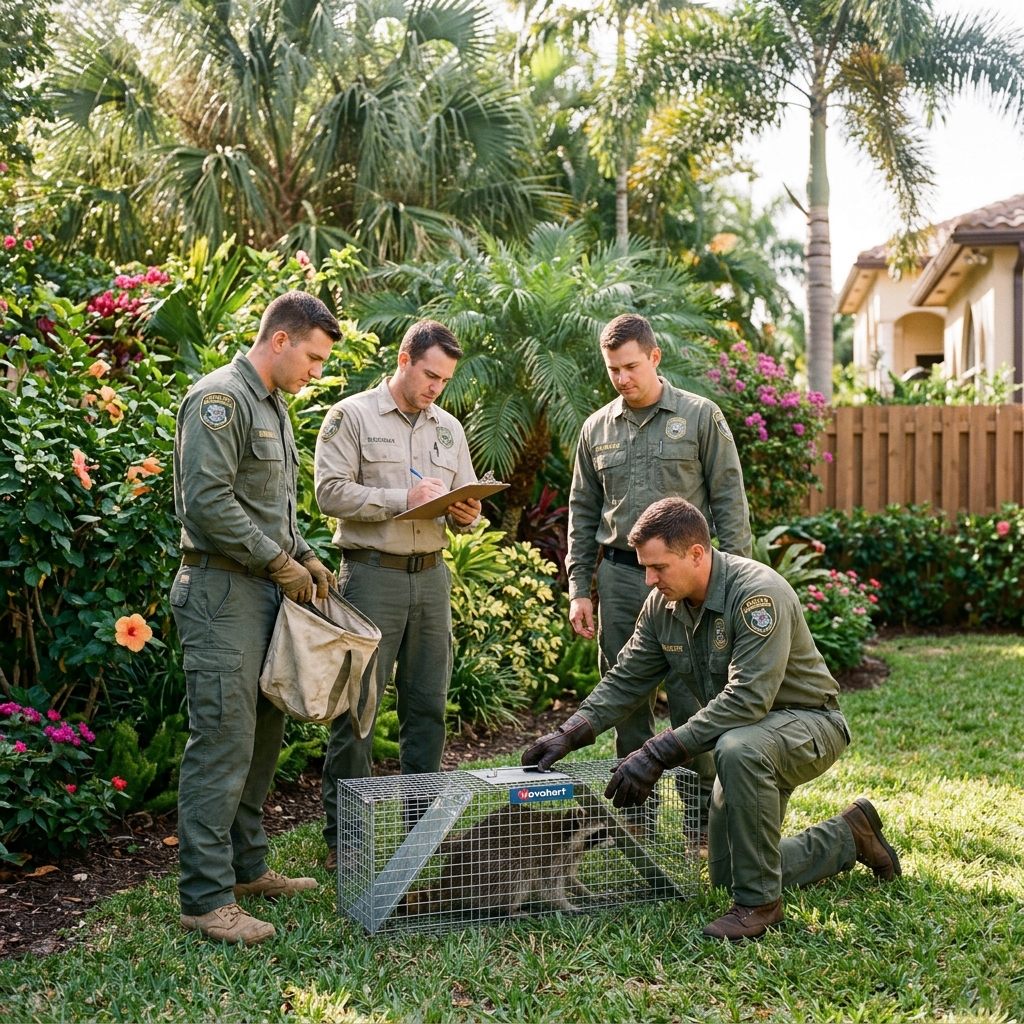
Nothing disrupts the peace of a home quite like the scratching sounds in your attic at 2 a.m. or the raccoon that's decided your backyard is its personal buffet. Florida's warm climate and lush landscapes make it a haven for wildlife, but that same beauty means homeowners often find themselves sharing their properties with unexpected guests. Squirrels nesting in soffits, opossums rummaging through trash cans, and snakes slipping into garages are just a few of the encounters Palm Beach residents face throughout the year.
While these creatures play an important role in the local ecosystem, they don't belong inside your walls or crawl spaces. Left unaddressed, wildlife intrusions can lead to property damage, health risks, and stress that lingers long after the initial encounter. The good news? You don't have to handle it alone, and you definitely don't need to resort to harmful or ineffective DIY methods.
This guide walks through the most common wildlife issues Palm Beach homeowners encounter, why prompt action matters, and how working with trained professionals can restore comfort and safety to your property.
Why Wildlife Intrusions Are More Common Than You Think
South Florida's subtropical climate supports a wide variety of species year-round, and that includes many that thrive in residential neighborhoods. Attics offer shelter from predators and weather, while gardens and garbage bins provide easy access to food. As new developments continue to expand into previously wild areas, animals adapt by moving closer to human dwellings rather than farther away.
Homeowners often don't realize they have unwelcome tenants until they notice the telltale signs: strange noises in the ceiling, chewed wiring, droppings near entry points, or a foul odor coming from a hidden corner of the house. By the time these symptoms appear, the animal may have already caused structural damage or started a family in the attic.
Common Culprits in Palm Beach Homes
Raccoons and Opossums
These nocturnal visitors are drawn to trash cans, pet food left outdoors, and the shelter of attics or crawl spaces. Raccoons, in particular, are known for tearing through insulation and ductwork while searching for a comfortable place to nest.
Squirrels and Rodents
Small enough to squeeze through tiny gaps, squirrels and rats can enter homes through vents, rooflines, and utility openings. Once inside, they chew through wiring and wood, creating fire hazards and costly repairs.
Snakes and Reptiles
Florida's warm weather means snake encounters are a year-round possibility. While many species are harmless, distinguishing a venomous snake from a non-venomous one isn't always easy, making professional identification and removal the safer choice.
Bats
Bats often roost in attics and rooflines, especially in older homes with small gaps in the eaves. Because several bat species are protected under state law, their removal requires specific timing and humane exclusion methods.
The Risks of Waiting Too Long
Postponing action when wildlife has entered a home rarely works in the homeowner's favor. Animals reproduce quickly, meaning a single raccoon in the attic can turn into a family within weeks. Droppings and urine accumulate, creating unpleasant odors and potential health hazards, including the spread of parasites and diseases like leptospirosis or salmonella.
There's also the financial angle to consider. Chewed wiring, damaged insulation, and compromised structural elements can add up to thousands of dollars in repairs if the problem isn't addressed early. Insurance policies frequently exclude damage caused by wildlife, leaving homeowners to cover these costs out of pocket.
Why DIY Removal Often Backfires
It's tempting to search online for a quick fix, whether that's a store-bought trap or a home remedy meant to repel unwanted animals. Unfortunately, these approaches often fall short and can even make the situation worse. Traps set without proper knowledge of species behavior may catch the wrong animal, injure it unnecessarily, or fail to address the root entry point, allowing new animals to move in shortly after.
Handling wildlife directly also poses safety concerns. Bites, scratches, and exposure to parasites are real risks, particularly with species that carry rabies or other transmissible diseases. Beyond safety, several species are protected by Florida wildlife regulations, meaning improper handling could result in legal consequences.
What Professional Wildlife Removal Looks Like
A trained wildlife removal team follows a process designed to solve the problem at its source, not just address the symptoms. This typically includes:
- Inspection: Identifying the species involved, locating entry points, and assessing the extent of any damage.
- Humane Removal: Using species-appropriate methods to safely remove animals without unnecessary harm.
- Exclusion: Sealing entry points to prevent future intrusions, which is often the step most DIY attempts skip entirely.
- Cleanup and Sanitation: Removing droppings, contaminated insulation, and other debris to eliminate odors and health hazards.
- Prevention Recommendations: Offering guidance on landscaping, trash storage, and home maintenance to reduce the likelihood of future encounters.
This comprehensive approach not only removes the immediate problem but also protects the home from repeat visitors, saving homeowners time, money, and stress in the long run.
Restoring Peace of Mind to Your Palm Beach Home
Protecting your family and property from unwanted wildlife starts with choosing a service built on experience, care, and lasting results, which is exactly what you'll find with Animal Control from a team that understands the unique challenges Palm Beach homeowners face. From raccoons in the attic to snakes near the pool deck, every situation calls for a tailored approach that balances safety with respect for local wildlife.
Palm Beach Wildlife Services has spent years helping homeowners throughout the region resolve these exact issues. Their technicians understand local species behavior, seasonal patterns, and the specific building styles common to South Florida homes, allowing them to identify problems quickly and implement solutions that last. Rather than offering a one-size-fits-all fix, the team evaluates each property individually, ensuring that entry points are sealed, damage is repaired, and future intrusions are far less likely.
Choosing a knowledgeable, licensed team means homeowners can trust that the animals are handled humanely, the property is treated with care, and the underlying cause of the intrusion is resolved rather than temporarily masked. That combination of expertise and attentiveness is what turns a stressful situation into a manageable one.
Taking the Next Step
Wildlife encounters are a fact of life for many Palm Beach homeowners, but they don't have to become an ongoing source of stress. Recognizing the early signs of an intrusion, understanding the risks of waiting, and knowing when to call in professional help can make all the difference in protecting your home and family.
If strange noises or unexpected visitors have become part of your daily routine, reaching out to a trusted local wildlife service is the most effective way to restore comfort to your home. With the right team on your side, reclaiming your space doesn't have to be complicated.