Signs of DEF System Failure and What Diesel Owners Can Do
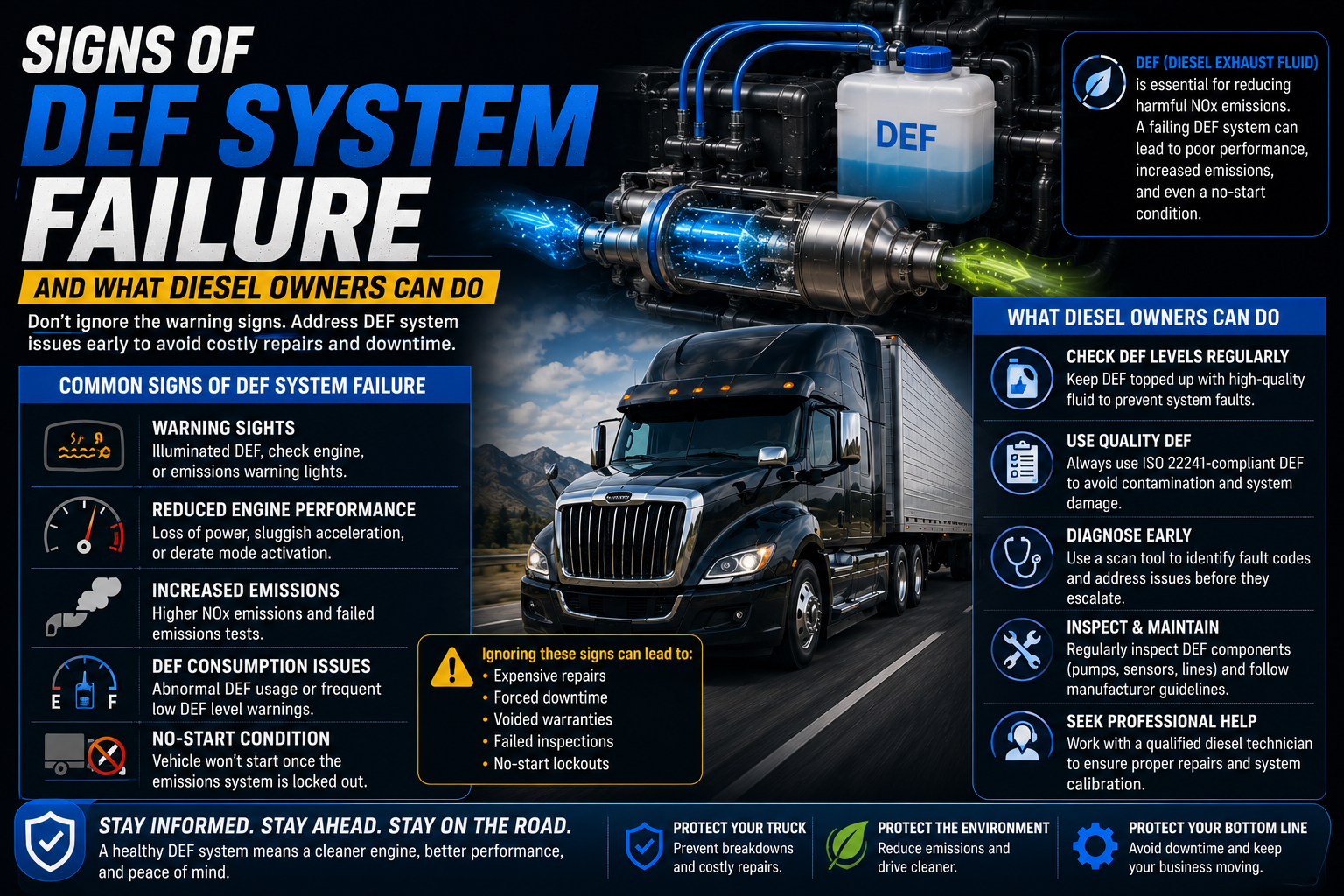
Modern diesel engines depend on several systems working together to manage exhaust emissions. One of the most important is the Diesel Exhaust Fluid system, which works with Selective Catalytic Reduction technology to reduce nitrogen oxide emissions.
When a DEF system starts developing problems, the first signs may appear as dashboard warnings, changes in system behavior, or diagnostic trouble codes. Some issues are minor, while others may require expensive component replacement.
This is why diesel owners often search for information about the Disable DEF System after experiencing repeated faults.
Before making any decision about modifying the system, it is useful to understand the warning signs, possible causes, and available maintenance options.
Dashboard Warnings Are Often the First Sign
A dashboard warning is one of the most noticeable signs of a potential DEF issue. Depending on the vehicle, the message may indicate low fluid, poor fluid quality, an emissions system fault, or a problem with one of the components responsible for DEF delivery.
The wording can vary considerably between manufacturers.
Some vehicles display a simple low fluid message, while others may provide a warning related to emissions system performance. A warning does not automatically mean that the entire DEF system has failed.
The first step should be reading the exact message and checking the vehicle manufacturer's recommended response.
Unusual DEF Consumption
Changes in DEF consumption can sometimes indicate a problem.
A vehicle that suddenly appears to use considerably more fluid than usual may have an issue with the injection system, sensor readings, or another component.
On the other hand, unusually low consumption may also deserve attention if the vehicle's operating conditions have not changed.
DEF consumption naturally varies according to engine load, driving conditions, temperature, and vehicle configuration. Therefore, consumption alone is not enough to confirm a fault.
Comparing current behavior with the vehicle's normal pattern can nevertheless provide useful information.
Repeated Emissions System Messages
Another warning sign is a message that returns after being cleared or after the DEF tank has been refilled.
If the warning continues, there may be a problem with a sensor, pump, injector, wiring connection, or another part of the diesel emissions system.
Repeated messages should not simply be ignored. Clearing a diagnostic code without addressing its cause may only provide temporary relief.
A diagnostic scan can provide more information about what the vehicle computer has detected.
Problems With DEF Level Readings
Modern vehicles use sensors to determine how much DEF remains in the tank.
A faulty sensor can cause the dashboard to show an incorrect level. For example, a vehicle may report that the tank is low even after the correct amount of fluid has been added.
This situation can be frustrating because repeatedly adding DEF will not solve a sensor problem.
Testing the sensor and related wiring can help determine whether the level reading is accurate.
DEF Quality Related Faults
DEF must meet specific quality requirements. Contaminated, degraded, or incorrect fluid can cause system problems.
The vehicle may use sensors to monitor fluid quality and identify conditions that fall outside the expected range.
Owners should avoid mixing DEF with other fluids or using products that do not meet the required specification.
Proper storage also matters. DEF should be protected from contamination and handled using clean equipment intended for the fluid.
Pump and Injector Problems
The DEF pump is responsible for moving fluid from the tank toward the injection system. If it fails, the required amount of fluid may not reach the exhaust.
The injector can also develop problems. Deposits, contamination, electrical faults, or other conditions may affect its operation.
A pump or injector fault can produce emissions related warnings and may require professional testing.
Replacing the component without confirming the diagnosis can lead to unnecessary expense.
Cold Weather Can Affect DEF Operation
DEF can freeze in low temperatures. This is a normal property of the fluid and is considered in the design of factory systems.
Many diesel vehicles use heating components to manage freezing conditions during operation.
If a heating element or related electrical component fails, the system may not function as expected in cold conditions.
Vehicle owners should follow the storage and operating recommendations provided by the manufacturer rather than assuming that freezing automatically means the DEF itself is defective.
Why Some Owners Consider a DEF Delete
Repeated repairs can lead owners to search for a DEF delete kit or information about DEF system removal.
This is particularly common among owners of older or high mileage diesel vehicles. Commercial users may also be concerned about downtime because their vehicles are often essential for daily work.
Repair costs can become another factor when several emissions components begin to fail within a relatively short period.
Although these concerns are understandable, disabling or removing factory emissions equipment can introduce legal and mechanical consequences.
The appropriate decision depends on the vehicle, location, intended use, and applicable regulations.
Legal Concerns With Disabling DEF
The legality of modifying emissions equipment varies depending on jurisdiction and vehicle use.
Road registered diesel vehicles are generally subject to emissions requirements. Removing or disabling factory equipment can therefore create compliance problems.
Potential issues can include inspection failures, registration difficulties, warranty concerns, and penalties under applicable regulations.
Specialized vehicles may operate under different rules, but owners should confirm their specific requirements before making any emissions related modification.
How SCR Technology Fits Into the System
Selective Catalytic Reduction technology is responsible for using DEF to reduce nitrogen oxide emissions.
The vehicle computer monitors operating conditions and controls DEF injection. Sensors provide information about temperature, exhaust conditions, and system performance.
The SCR catalyst then facilitates the chemical reaction that reduces nitrogen oxide emissions.
A SCR system delete changes this factory emissions strategy. Because the system is connected to electronic controls and other emissions components, modifying it can produce effects beyond the component being removed.
This is particularly important on modern diesel vehicles with extensive electronic monitoring.
DEF Problems Are Not Always Caused by DEF
One of the most important points for vehicle owners is that a DEF warning does not necessarily mean the fluid itself is responsible.
The problem could involve a sensor, wiring connection, pump, injector, heater, exhaust component, or electronic control system.
A faulty exhaust sensor, for example, may cause an emissions warning even when the DEF fluid is perfectly acceptable.
This is why professional diagnostics can be valuable. Identifying the actual failed component is generally more effective than replacing parts based only on a warning message.
The Importance of Diagnostic Testing
A diagnostic scan can reveal stored trouble codes and provide additional information about the conditions under which the fault occurred.
Technicians can then use manufacturer specific testing procedures to examine sensors, pumps, injectors, electrical connections, and related components.
A proper diagnosis should focus on finding the underlying cause.
Simply clearing a warning may cause it to return if the original fault remains unresolved.
For vehicle owners, recording the exact warning, mileage, driving conditions, and previous repairs can also help technicians understand recurring problems.
Maintenance Can Reduce Avoidable Problems
Regular maintenance is one of the simplest ways to reduce unnecessary DEF problems.
Owners should use DEF that meets the vehicle manufacturer's specification. The fluid should be kept clean and stored appropriately.
The DEF filler area should also be protected from dirt and contamination.
During routine servicing, technicians can inspect related components for leaks, damaged wiring, corrosion, or other visible problems.
Following the manufacturer's maintenance schedule is preferable to relying on generic service recommendations because diesel systems vary between vehicles.
Repair or System Modification?
When a DEF problem occurs, owners may compare the cost of repair with the perceived benefits of a modification.
For road going vehicles, repairing the original system generally maintains the vehicle's factory configuration and avoids many of the compliance concerns associated with emissions modifications.
A DEF system removal may affect electronic communication, diagnostic functions, and other components.
The decision should therefore consider more than the cost of a single failed part.
Vehicle age, mileage, intended use, repair history, local regulations, and long term ownership plans can all influence the appropriate choice.
What to Do When a Warning Appears
When a DEF warning appears, begin with the basics.
Check the exact dashboard message and consult the vehicle documentation. Confirm the DEF level and verify that the correct product has been used.
If the warning remains, avoid repeatedly adding fluid without knowing whether the system actually requires it.
A diagnostic scan can help identify the underlying problem. If the vehicle has multiple warning messages or changes in operation, professional inspection becomes even more important.
Addressing a fault early may prevent additional problems and reduce the chance of an unexpected operating restriction.
Long Term Reliability
A properly maintained DEF system can operate reliably for many years, but its components can eventually wear or fail.
High mileage vehicles may require more frequent attention as sensors, pumps, injectors, wiring, and heating components age.
Keeping a maintenance record can help identify recurring issues and give technicians useful information when diagnosing new warnings.
It is also important to remember that the DEF system is only one part of the wider emissions setup. Other exhaust and engine systems can influence its operation.
Final Thoughts
Recognizing the early signs of DEF problems can help diesel owners respond before a minor issue becomes a major repair.
Dashboard warnings, unusual fluid consumption, repeated emissions messages, incorrect level readings, and persistent fault codes can all justify further investigation.
Searches for DEF Delete often come from owners frustrated by repair costs or recurring problems. However, modifying emissions equipment can create legal, mechanical, and diagnostic complications.
For road going diesel vehicles, proper diagnosis and repair of the original system is generally the most straightforward approach. Understanding how DEF, SCR technology, sensors, pumps, injectors, and related components work can help owners make more informed decisions about maintenance and repairs.