Inside The Quiet Boom In Display Cases And Drum Shields Nationwide
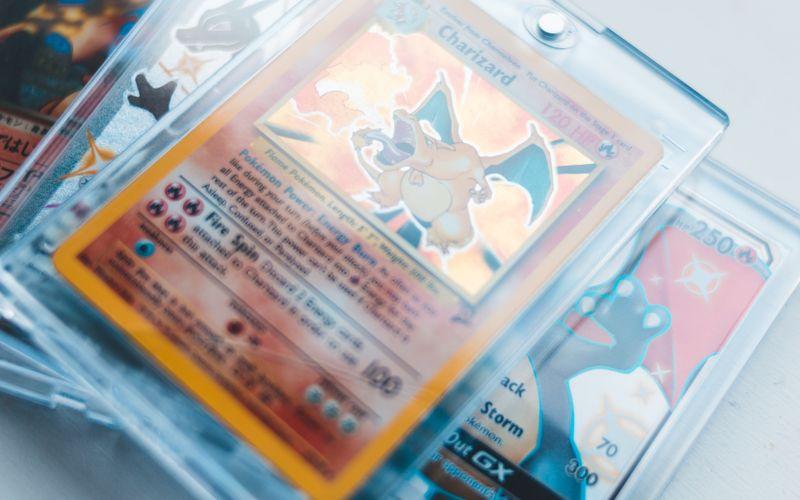
Two very different American hobbies ended up shopping from the same acrylic supplier. Card collectors who spent the pandemic years buying graded slabs eventually ran out of shelf space. Worship teams playing in converted warehouses ran out of patience with a snare drum overpowering every vocal microphone. Both problems get solved with cut and polished acrylic panels. Fabricators who once served museums and trade show exhibitors now build for hobbyists in Ohio basements and church stages in Georgia. Order books across the trade look nothing as they did a decade ago.
Graded Cards Created A Storage Problem Fast
Grading services changed the physical shape of the hobby before anyone planned for it. PSA, Beckett, and CGC return cards sealed in rigid slabs measuring roughly three and a half by five and a half inches. Fifty slabs no longer slide into a shoebox, and stacking them scratches the very surface the grading was meant to protect. Collectors began asking for cases sized around slab dimensions instead of raw card dimensions, in counts of thirty-five, fifty, and seventy.
Acrylic Thickness Decides What A Case Protects
Panel thickness separates a real display case from a souvenir. Thin acrylic flexes, scratches under a sleeve, and yellows near a window within a few years. Thicker cast acrylic holds shape, resists impact, and accepts polished edges that keep the case looking finished from every angle.
- Ask whether the acrylic is cast or extruded, since cast panels resist crazing and machine to cleaner edges.
- Check for UV protective acrylic on anything displaying signed jerseys, photographs, or vintage cardboard.
- Look at hinge and latch hardware, which fails long before the acrylic ever does on a well-built case.
Builders such as Pennzoni Display work in real wood frames with UV protective acrylic across their sports and collectible lines. Collectors comparing acrylic display cases for graded cards generally weigh slab capacity against wall space before anything else.
Church Stages Drove Drum Shield Demand Upward
Sound control turned into a purchase category instead of an engineering problem. Modern worship spaces and small clubs run tight mixes where an acoustic kit pushes past ninety decibels on its own. Vocal channels drown underneath that, no matter how carefully the board is set. Drum shields made from clear panels reflect and redirect that energy without hiding the drummer from the congregation. Standard panels run two feet wide in heights from four to six feet, hinged together so the wing angles around the kit. Pennzoni Display has built drum screens since well before the current demand, which explains the range of panel heights on offer.
Trade Show Booths Need Cases That Travel
Exhibitors judge a display case by how it survives a loading dock. Portable cases with acrylic side guards let a booth show product at eye level while keeping hands off inventory during a busy floor hour. Sizes around eighteen by twenty-two inches and twenty-four by thirty-six inches cover most tabletop layouts without eating the whole booth. Portable units from makers like Pennzoni Display ship with matching carrying cases for that reason.

- Choose cases with removable legs so the same unit works on a table or as a floor-standing pedestal.
- Pick finishes that photograph well, because cherry and black read very differently under exhibition lighting.
- Budget for a padded carrying case, since transport damage causes far more losses than show floor traffic.
What Collectors Check Before Buying Any Case
Measurement mistakes cause most of the returns in this whole category. Jersey cases need interior depth for shoulder pads or a folded sleeve, and helmet cases need clearance around a facemask. Guitar cases must account for headstock length on a full dreadnought body.

- Measure the item itself, not the box it arrived in, and record depth alongside height and width.
- Decide on wall mount or tabletop before ordering, since hardware differs between the two configurations.
- Confirm return terms in writing when ordering a custom size, because bespoke acrylic is rarely restockable.
Protection logic runs the same way across industries, and the thinking behind how protective packaging choices get made maps closely onto display case selection. Pennzoni Display handles custom dimensions directly, which helps when a piece falls outside standard sizing.
Display Work Rewards Patience And Correct Measurements
Good display turns a pile of stored objects into something worth walking across a room to see. Acrylic does the visible work, though hinges, felt, wood, and UV coatings decide whether a case still looks right in ten years. American fabricators including Pennzoni Display build to order instead of to inventory, and that changes both lead time and what a buyer can ask for. Collectors and musicians usually arrive at the same conclusion after one cheap purchase, which is that clear panels are worth buying the first time properly.