How to Choose the Right GPS Tracker for Your Vehicle
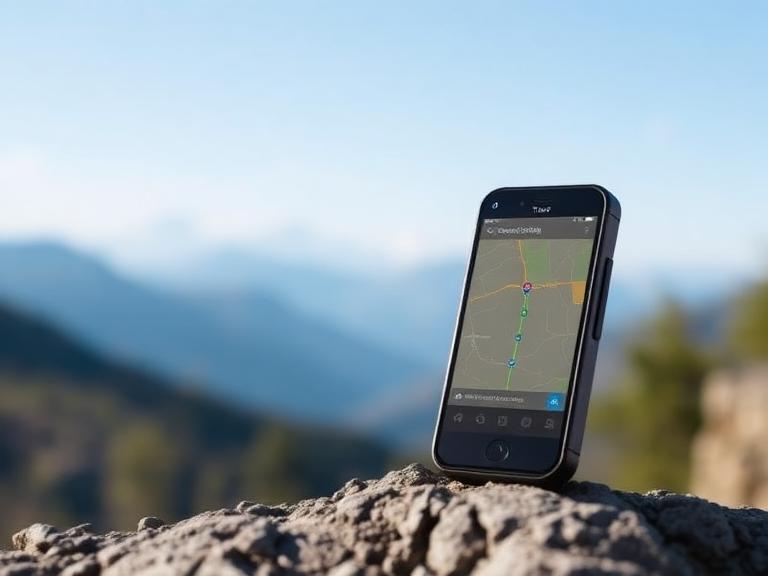
The GPS tracking market has expanded considerably over the past few years, and the range of devices now available — across price points, feature sets, and intended use cases — can make choosing the right one feel more complicated than it needs to be. Whether you are protecting a personal vehicle, managing a small fleet, or running a car sharing or rental operation, the right tracker is the one that matches your specific use case rather than the one with the longest feature list. Here is how to think through that decision systematically.
Define Your Primary Use Case First
Before comparing any specific devices, be clear about what you actually need the tracker to do. A vehicle owner who wants basic theft protection and location visibility has fundamentally different requirements from a peer-to-peer car rental host who needs real-time location data, trip history, geofence alerts, and the ability to remotely disable a vehicle if a renter fails to return it or drives outside an agreed area.
This distinction matters because it determines which feature categories are essential rather than simply nice to have. Investing in a sophisticated device for a use case that only requires basic tracking is unnecessary. Choosing an entry-level device for a complex operational need is a false economy that tends to produce frustrating gaps in capability exactly when you need the system to perform.
Real-Time Tracking vs. Periodic Reporting
GPS trackers broadly fall into two functional categories: devices that report location continuously in real time, and devices that log or transmit location at set intervals. For personal vehicle protection, interval reporting — updating location every few minutes — is often sufficient to recover a stolen vehicle or confirm a car's general whereabouts. For active fleet management or rental operations where you need to know exactly where a vehicle is at any given moment, real-time tracking with update frequencies of 10 to 30 seconds is the appropriate standard.
The cellular network the device operates on also affects reliability. A tracker dependent on a single carrier will have coverage gaps in areas where that carrier's network is weak. Devices that operate across multiple carriers or use LTE-M and Cat-M1 networks designed for IoT applications tend to provide more consistent coverage across varied geographic conditions.
Hardwired vs. Plug-and-Play Installation
GPS trackers are installed in one of two ways — hardwired directly into the vehicle's electrical system, or plugged into the OBD-II diagnostic port that most vehicles manufactured after 1996 have as standard equipment. Each approach has practical trade-offs worth understanding before you purchase.
OBD-II plug-in trackers are straightforward to install and easy to transfer between vehicles, but their location under the dashboard is relatively easy to find and remove. Hardwired installations are less visible, more tamper-resistant, and allow for additional functionality — most significantly, the ability to integrate a remote engine kill switch into the circuit.
The Kill Switch Capability — Why It Matters for Rental and Sharing Operations
For vehicle owners operating on platforms like Turo, the kill switch is not a bonus feature. It is a fundamental operational protection. A Turo GPS tracker that incorporates remote immobilisation gives the host the ability to disable the vehicle's starter circuit remotely — directly from a smartphone application — if a renter is unresponsive, if the vehicle moves outside a defined geographic boundary, or if an emergency situation requires immediate action.
The GPS Tracker for Vehicles with Kill Switch - Turo use case is specific enough that it warrants its own category of consideration. Not all trackers that advertise kill switch functionality are wired equivalently or controlled through platforms that provide the responsive, accessible interface that a Turo host needs to act quickly. Evaluating exactly how the kill switch is triggered, what circuit it interrupts, and how fast the command executes from the controlling app are all questions worth asking before selecting a device for this purpose.
Subscription Costs and Platform Quality
The hardware cost of a GPS tracker is only part of the total cost of ownership. Most real-time tracking devices require a monthly or annual subscription for cellular data transmission and platform access. Evaluating the quality of the tracking platform — its mobile app, alert configuration, geofence setup, trip history reporting, and customer support — is as important as evaluating the hardware itself. A well-specified device paired with a poorly designed platform produces a frustrating daily experience that undermines the value of the investment.
For Turo hosts specifically, a Turo GPS tracker platform that integrates cleanly with the workflow of managing active rentals — sending automated alerts for late returns, out-of-zone movement, and low battery — adds operational value that a basic tracker with a generic app simply cannot provide.
A Practical Checklist Before You Buy
Before finalising any GPS tracker purchase for your vehicle, confirm: real-time vs. interval tracking based on your actual need, cellular coverage reliability in the areas where your vehicle operates, hardwired vs. OBD-II installation based on your tamper-resistance requirements, whether kill switch capability is required and how it is implemented, total subscription cost over a 12-month period, and the quality of the mobile platform you will use to manage the device daily.
The right GPS tracker is the one that works reliably in your specific context — chosen deliberately rather than simply ordered because it appeared at the top of a search result.