Generac Generator Battery: Types, Costs, and Replacement Guide
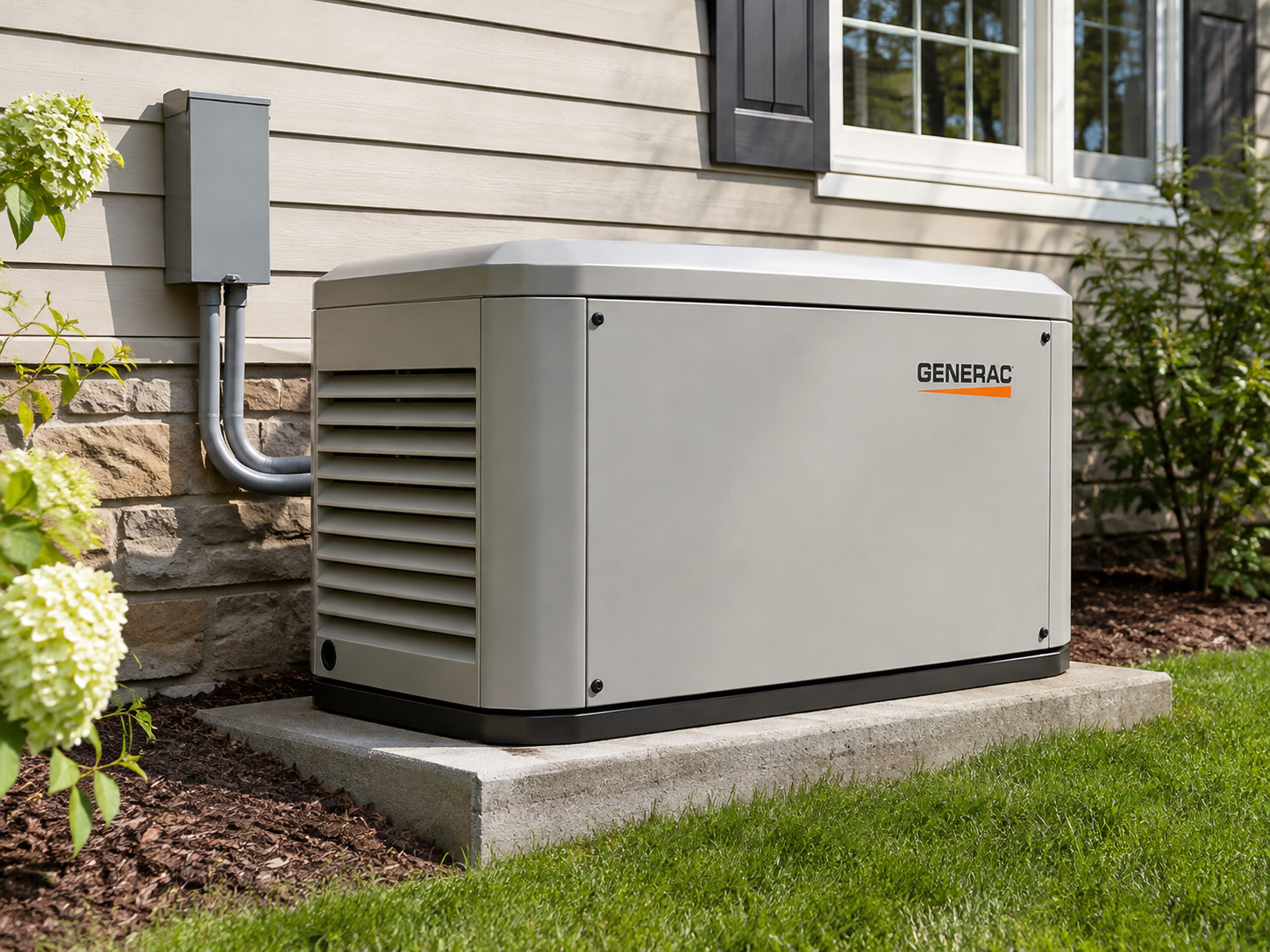
Your backup generator needs a working battery to start when the power goes out. A Generac generator battery is usually a 12-volt lead-acid or AGM battery that starts the engine.
Most batteries last 3 to 5 years, based on care, weather, and use. Choosing the right battery and checking it often helps prevent startup issues during an outage.
Key Takeaways
- Most Generac standby generators use a 12-volt battery. The correct group size and cold cranking amps (CCA) depend on the generator model.
- A Generac generator battery typically lasts 3 to 5 years. Heat, charging issues, and poor maintenance can shorten its lifespan.
- Replacement batteries generally cost $80 to $250, though some models cost more. AGM batteries often cost more than standard lead-acid options.
- Slow engine starts, battery warnings, and corroded terminals may signal battery problems. Regular testing helps identify issues before an outage.
- Proper battery care, model compatibility, and timely replacement help keep your generator ready to provide backup power.
What Battery Does a Generac Generator Need?
Most Generac home standby generators use a 12-volt battery that meets certain size and power needs. Many Guardian Series models use a Group 26R battery with at least 540 cold cranking amps (CCA).
Some models also accept Group 35 AGM batteries with 650 CCA or more. Check your owner's manual to find the right battery for your model.
Common batteries for Generac generators include:
- Flooded lead-acid batteries: They cost less but may need more care.
- AGM batteries: Sealed batteries that handle vibration well and require less maintenance.
- Generac-approved batteries: Options that meet the right size and starting-power needs.
Your choice depends on the generator model, weather, and maker's guidelines. More starting power does not always mean a battery will fit or work well.
How Long Does a Generac Battery Last?
A typical Generac battery lasts 3 to 5 years with proper care. Heat, charging issues, and terminal corrosion can shorten its life. Regular checks help identify signs of wear before the battery fails.
Several factors affect battery life:
- Temperature: Heat speeds up wear, while cold weather makes starting harder.
- Charging system: Poor charging can leave the battery too weak to start.
- Maintenance: Clean terminals and keep connections tight to prevent power loss.
- Exercise cycles: Regular test runs can reveal weak starting power.
Even a battery that still works may lose strength over time. Have it tested after three years of service.
How Much Does a Generac Generator Battery Cost?
A new battery often costs $80 to $250, based on the type, brand, and size. AGM batteries tend to cost more than standard lead-acid models. If you hire a technician, labor costs will add to the total price. Compare the warranty, expected lifespan, and compatibility with your generator before buying. A cheaper battery may cost more over time if it wears out sooner.
Signs Your Generator Battery Needs Replacement
A weak standby generator battery can stop your generator from starting during a power outage. Early warning signs often show up during test runs or routine service. Finding these issues early gives you time to fix them.
Watch for these warning signs:
- The engine turns over slowly or fails to start.
- Battery warning messages appear on the control panel.
- Terminals show rust, corrosion, or loose connections.
- The battery fails a technician-performed load test.
These signs may also point to a charging fault or loose wiring. Testing helps find the cause before you replace any parts.
How to Replace a Generac Generator Battery
Battery replacement requires care because standby generators may start on their own. Follow the shutdown steps in your owner's manual before working near the battery. Skipping these steps can cause injury or damage to electrical parts.
First, check that the new battery meets your generator's size and power needs. Remove the old battery only after the unit is safely shut down and isolated. A trained technician can install it and confirm it charges as expected.
At Grounded Electric, project manager Barret Abramow helps oversee generator projects and service work. Having a professional inspect your generator battery can help identify potential problems before they affect your home's backup power.
How to Maintain Your Generator Battery
Basic care can help your generator start when you need it most. Check the battery during regular service visits and follow the schedule in your Generac manual. Look for dirt, corrosion, or loose parts near the battery terminals.
A technician should also test the battery's charge level and starting power. Local electricians like Grounded Electric can help homeowners check their generator batteries during routine maintenance. Don't use a regular car battery unless its size and ratings match your generator's needs.
Choosing the Right Battery for Reliable Backup Power
The best battery fits your generator and meets its power needs. Check the group size, voltage, cold cranking amps, and terminal layout before buying. The battery must also work with your generator's charging system.
AGM batteries can be a good option if your model supports them. They need less upkeep and often handle vibration better than standard lead-acid batteries. Check the manufacturer's guidelines before changing battery types.
A healthy battery helps your generator start when the power goes out. Regular checks and timely replacement can reduce the risk of losing backup power when you need it.