Gaming centers remain in demand, even when you have a powerful PC and a console at home
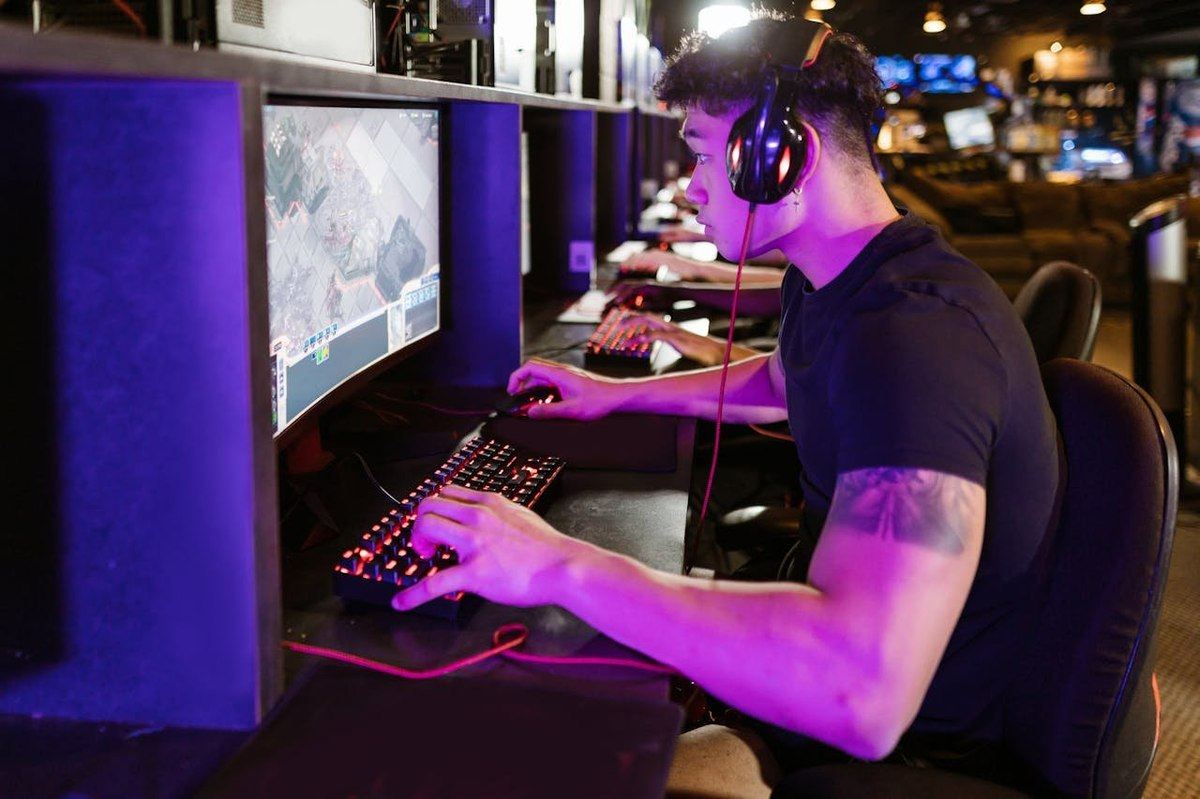
Home devices have become more powerful, more affordable, and more diverse, yet gaming centers still draw full crowds. The audience has long moved beyond the teenage segment: visitors increasingly include adults who drop by the center after a workday. The reasons for this steady popularity come down to several factors, each of which warrants its own discussion.
Home comfort hasn’t made gaming venues obsolete
You’d think the logic suggests a simple formula: buy a powerful computer or console, install a game, and enjoy it without leaving the couch. But in practice, gaming appeal isn’t just about specs. Students, office workers, and couples all come to these centers, which noticeably broadens the typical customer profile.
The in-person experience still wins out in situations where what matters isn’t so much the picture on the screen as what’s happening around it. It’s this “around it” that becomes the biggest advantage gaming centers have over a home setup.
When was the last time you played at the same table?
For many, it’s hard to remember the last time they sat next to an opponent instead of being separated by the internet. Live competition creates a completely different emotional backdrop. The room fills with sound: someone furiously hammers the keys, someone jumps up from their chair after a successful round, and between matches brief chats strike up with strangers at the next table.
All of this creates the feeling of being there—something a monitor screen in an empty room simply can’t replicate. The venue’s atmosphere boosts immersion more than even the highest-quality solo session at home.
Community and new connections as the main draw
A significant share of visitors come not so much for the game as for the people. A chance meeting at the counter, a discussion of the latest patch or recent changes in the meta of a favorite shooter, an impromptu mini-tournament organized right on the spot—all of this creates the feeling of “your” crowd. For those looking for like-minded people, a gaming center turns out to be something like an interest-based club with a low barrier to entry.
Local, in-person chats often grow into larger formats. Teams that form at neighboring monitors start practicing together, traveling to city tournaments, and building lasting friendships far beyond the center.
From local LAN centers to esports arenas
The trend is also being picked up by major venues. In cities like Los Angeles and Berlin, giant esports arenas are opening, designed for hundreds of visitors at once. They host not only professional tournaments but also open gaming meetups that anyone can drop in to.
The human element is especially vivid at venues like these. Teams form from chance acquaintances, and sometimes even romantic relationships form. These stories aren’t widespread, but they clearly illustrate the power of in-person interaction—something that’s hard to get through voice chat.
Hardware you don’t have to buy
Practical math plays a role, too. A modern gaming PC capable of running the latest releases on max settings could cost several hundred thousand rubles. A center removes this financial barrier by offering, for a modest hourly fee:
- access to top-tier equipment and peripherals,
- a large monitor with a high refresh rate,
- an ergonomic chair priced at roughly half an average salary,
- the ability to try new releases without buying them.
This format is especially convenient for occasional players who have no reason to invest in their own hardware for just a few sessions a month.
The financial barrier is lowered not only by hourly rates. Many centers actively use no-deposit bonuses: a free first hour, complimentary sessions for newcomers, birthday discounts. These mechanics have taken root especially well in regions where average income is low and every entertainment expense is weighed especially carefully. In West and Central African countries, this practice has become almost standard. According to nodepositbonuses ng, which aggregates offers from Nigerian gaming venues, more than 9,000 successful bonus redemptions have been recorded recently across 250 locations.
For local audiences, the chance to try FIFA or Counter-Strike for free before buying a membership often becomes the deciding argument in favor of a first visit. Centers in other countries are adopting similar logic as well, tailoring bonus programs to their audiences and turning casual guests into regular visitors.
Not just games, but a shared experience
The in-person atmosphere, a live community, the scale of modern venues, and access to expensive gear without major investment—all these factors come together into a single value proposition that’s hard to replicate at home. The main value of gaming centers lies not in a specific game on the screen, but in the shared experience and the environment where every visitor becomes part of a collective event.