Challenges Muslim Parents Face in Raising Practicing Children in the US
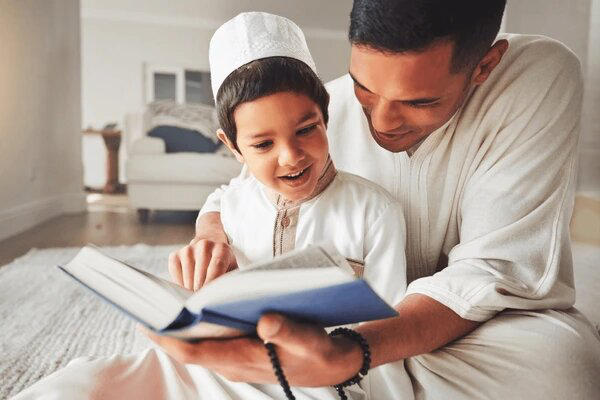
Raising practicing Muslim children in the United States can be difficult for many families. Children grow up around different beliefs, social habits, school activities, and cultural expectations. At the same time, parents want them to pray, learn the Quran, understand Islamic values, and feel comfortable with their Muslim identity.
The challenge is not simply about keeping children away from certain things. Parents also need to help them understand why Islam matters, how to deal with differences, and how to make good choices when they are away from home.
Keeping Islam Part of a Busy Daily Routine
One common challenge is time.
School, homework, sports, clubs, family duties, and travel can make daily life very busy. Salah, Quran reading, and Islamic learning may slowly become less regular if there is no clear routine.
Parents often need to plan around these responsibilities instead of waiting for free time to appear.
A simple family routine can help. For example, Quran reading may happen after Maghrib, while weekend time may be used for Islamic classes. Regular habits are easier for children to follow than changing schedules every week.
School Life Can Create Difficult Situations
Muslim children may face situations at school that require careful choices.
These can include mixed social events, school dances, holiday celebrations, food choices, changing rooms, or activities scheduled during prayer times.
Parents may find it difficult to decide when to allow participation and when to set limits.
School Situation | Possible Challenge |
Lunch and events | Finding halal food |
Sports | Modesty and changing facilities |
School celebrations | Religious or cultural differences |
Prayer time | Limited space or time |
Social events | Activities that may conflict with family values |
Clear discussion before these situations happen can reduce confusion.
How Can Parents Handle Different Social Values?
Children may hear ideas at school, online, or from friends that are different from what they learn at home.
Simply saying that something is “wrong” may not always be enough, especially for teenagers.
Parents need to explain Islamic values in simple and respectful language. Children should understand the reason behind family rules and know how to respond when friends ask questions.
The goal is not to make them afraid of society. It is to help them think carefully, keep their beliefs, and treat other people respectfully even when they disagree.
Finding Good Muslim Friends Is Not Always Easy
Friendships become very important as children grow older.
However, some Muslim families live in areas where there are few Muslim children nearby. That can make it harder for young people to build friendships with others who understand their religious practices.
Parents may try to create more opportunities through:
- Mosque youth programs
- Quran or Islamic classes
- Muslim family gatherings
- Sports or community activities
- Online hifz classes for kids
Good friendships can support positive habits, but parents should still pay attention to character. Sharing the same religion does not automatically mean every friendship is healthy.
Online Content Can Influence Children Quickly
Social media and online entertainment are major parts of modern childhood.
Children may see content about relationships, beauty, money, religion, lifestyle, and identity before parents even know it has reached them.
Blocking everything is difficult and may not teach children how to make decisions for themselves.
Maintaining Salah Can Become Hard Outside the Home
A child may pray regularly at home but struggle to maintain salah at school, during sports, or while spending time with friends.
There may be no suitable prayer space, or the child may feel embarrassed asking for time.
Parents can help by teaching practical solutions early.
They can discuss prayer times, wudu, combining daily plans with salah, and how to politely ask a teacher or coach for a short break when needed.
Confidence grows when children know both the religious duty and the practical way to manage it.
What Happens When Children Question Their Faith?
As children grow, some may ask difficult questions about Islam.
They may question prayer, hijab, halal rules, Islamic history, or why Muslims follow certain teachings. These questions can worry parents, but avoiding them may make the problem harder.
Questions Should Be Taken Seriously
Parents should answer what they know and avoid giving weak or made-up explanations.
For difficult religious matters, it is better to seek help from a knowledgeable and trusted teacher or scholar.
A child who receives calm, clear answers is more likely to keep asking at home instead of relying only on random online sources.
Keeping Islamic Identity Positive Can Be Challenging
If Islam is presented only through rules such as “do not do this” or “that is haram,” children may begin to connect religion mainly with restriction.
Parents can also show the positive side of Islam through family worship, charity, good manners, Ramadan traditions, Quran learning, and community service.
Children should see that Islam shapes character, family life, kindness, responsibility, and worship.
A positive identity can help them feel that practicing Islam is part of who they are, not simply a list of things they are not allowed to do.
Final Words
Muslim parents in the US face real challenges when raising practicing children, especially around school life, friendships, online influence, prayer, and identity. These issues cannot always be solved with strict rules alone.
Children also need explanation, good examples, healthy routines, and space to ask questions. When Islamic values are taught with consistency, knowledge, and care, young Muslims can learn how to practice their faith while living confidently in a diverse society.