Why the Biggest Consequence of a Criminal Conviction Might Never Appear in the Sentence
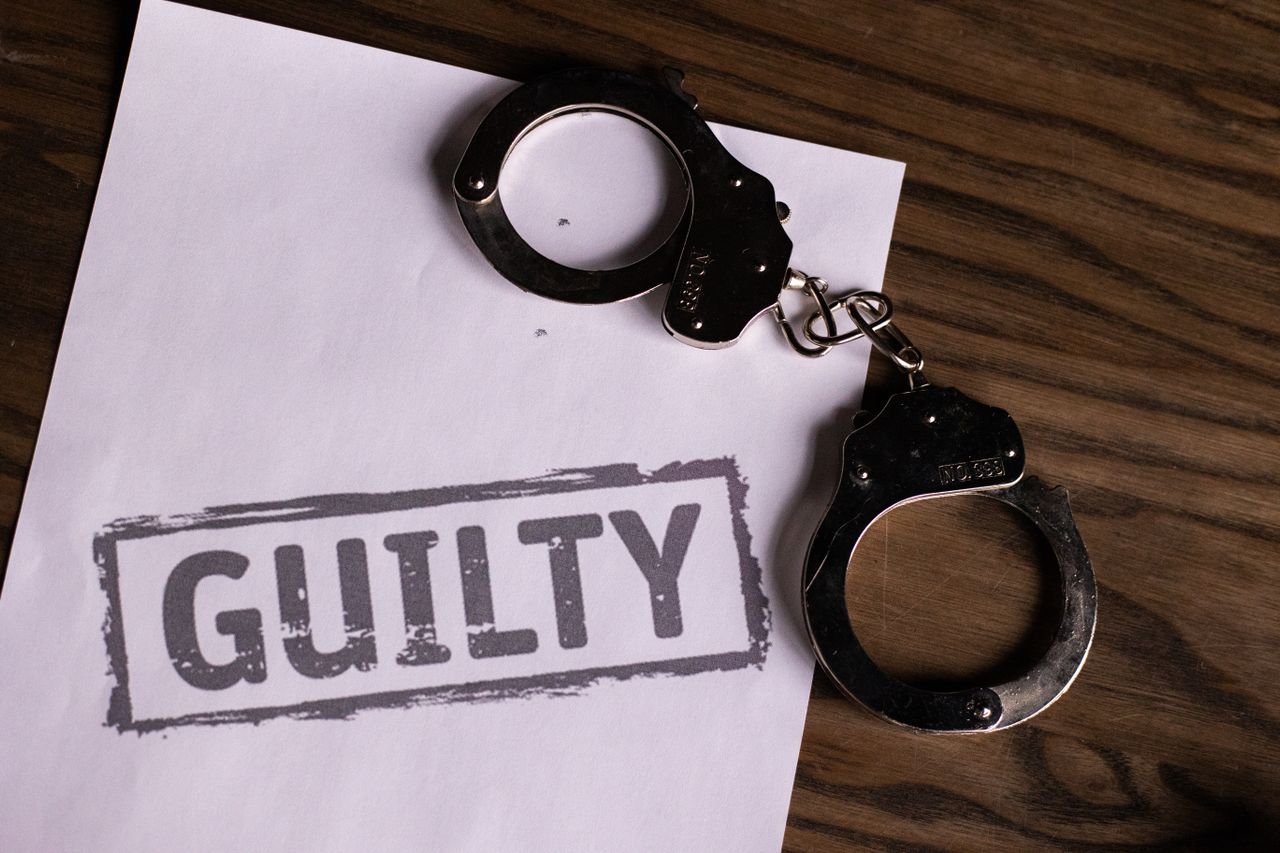
A judge reads the sentence out loud. Maybe it's probation, a fine, a class, or some time in jail. The defendant walks out of the courtroom thinking they finally know what they're facing. In many cases, though, that's only the beginning. Surprises often follow.
Some of the most lasting effects of a conviction never get mentioned at sentencing. They show up later, during a background check, a job application, a custody dispute, or a trip to buy a hunting rifle. Many people don't see them coming.
That's especially true when it comes to domestic violence conviction consequences. In Florida, a domestic violence case can ripple into employment, housing, firearm rights, family court, and immigration status, long after probation ends and the court file is closed. Few people expect that reach.
What Are Collateral Consequences?
Collateral consequences are the legal and practical effects of a conviction that sit outside the sentence itself. They aren't handed down by the judge as punishment, but they can attach automatically because of the conviction or the type of offense. They often surprise people completely.
Some are written into law, like restrictions on certain professional licenses, firearms, or public benefits. Others are practical, like a landlord turning down a rental application or an employer passing on a candidate after a background check. Both kinds can follow someone for years.
Because these effects are separate from the sentence, they often aren't discussed in detail during a criminal case. That's why people sometimes accept a plea without fully realizing what it could mean for their future plans. Asking questions early really helps.
Why a Conviction Can Affect Employment and Housing
Background checks are everywhere. Many employers screen applicants for criminal history, and a domestic violence record can raise concerns, especially for jobs involving children, vulnerable adults, security, or positions of trust. Some employers may simply choose another candidate. First impressions count heavily.
Licensing can be another hurdle. Health care workers, teachers, security officers, and other licensed professionals may face board reviews, reporting duties, or disciplinary action after certain convictions. Requirements differ depending on the profession and the specific offense. Each board sets its own rules.
Housing can get complicated too. Landlords and property managers often run background checks, and some may turn away applicants with violent offenses on their records. Fair housing rules limit some blanket policies, but a record can still make finding a home harder. Searching takes longer.
The Hidden Effects on Family and Firearm Rights
Firearm rights are a major concern. Under federal law, a person convicted of a misdemeanor crime of domestic violence is generally prohibited from possessing firearms or ammunition. That restriction can apply even when the underlying case was a misdemeanor, not a felony.
This can affect hunters, sport shooters, and people whose jobs involve carrying a firearm, like security guards or certain law enforcement roles. Violating the federal prohibition can lead to serious new criminal charges, which makes careful attention essential. The stakes are genuinely high here.
Family court issues often run alongside a criminal case. In Florida, a domestic violence conviction can affect custody and time-sharing decisions, and a separate injunction case may carry its own consequences. These matters follow their own rules and deadlines. Coordination between cases really matters.
Why Finishing a Sentence Doesn't Always End the Consequences
Completing probation feels like a finish line. But a criminal record can remain visible for years, appearing in background checks long after every condition has been satisfied. For many people, that's the most frustrating part of the entire process. It's genuinely discouraging.
Florida generally doesn't allow records involving an act of domestic violence to be sealed or expunged if the person pleaded guilty, pleaded no contest, or was found guilty, even when adjudication was withheld. That limit surprises many people who assumed a withhold would protect them.
Immigration consequences can be severe too. For noncitizens, a domestic violence conviction may affect visa status, green card applications, or naturalization, and in some cases may lead to removal proceedings. Getting immigration advice before resolving a case can be critically important. Timing matters.
Conclusion
A criminal sentence is only part of the picture. The longer-lasting consequences of a conviction often arrive quietly, through background checks, licensing boards, landlords, and federal laws that operate independently of what a judge orders in court. Those effects are surprisingly easy to overlook.
Domestic violence cases carry an especially heavy load of these effects. Firearm restrictions, family court implications, immigration risks, and limits on sealing records can shape someone's life for years after the case itself is closed. The ripple effects can be remarkably wide.
That's why evaluating any criminal case means looking beyond the immediate sentence. Considering employment, housing, family, and long-term record consequences before making decisions can help people make more informed choices about how to move forward. A sentence ends, but a record can last longer.