9 Ways to Reduce Expenses in a Construction Business
In today’s competitive construction landscape, controlling fees without compromising quality is critical for long-term fulfillment. One relatively powerful starting point involves accurate material quantification, specifically when managing high-priced resources like wooden framing. A particular lumber takeoff enables contractors to avoid over-ordering, limit waste, and ensure they purchase precisely what the task requires. This single step can dramatically affect profitability by means of aligning material orders with real needs rather than tough guesses.
When estimators invest time in designated amount evaluation early on, they set a sturdy basis for the whole bidding and execution process. An Electrical Estimating Company focuses on this level of accuracy to help prevent small measurement errors from snowballing into enormous economic losses later. By specializing in accuracy from the outset, teams can become aware of possibilities to optimize designs, negotiate higher rates with providers, and decrease needless costs across the mission lifecycle.
Why Growing Construction Firms Outsource Estimating Work

Many growing corporations turn to a reliable estimating company for aid while internal sources are stretched thin. These specialized companions carry know-how in breaking down complex plans into actionable records, helping businesses bid more hopefully at the same time as shielding margins. Outsourcing this vital feature allows mission managers to focus on execution instead of spending hours double-checking measurements manually.
Working with specialists also introduces access to advanced tools and industry benchmarks that most small groups lack. This collaboration frequently uncovers hidden efficiencies, including alternative materials or smarter phasing techniques, that immediately lower ordinary project costs. The result is more aggressive bids and healthier bottom lines.
Why Accurate Material Planning Matters More Than Ever
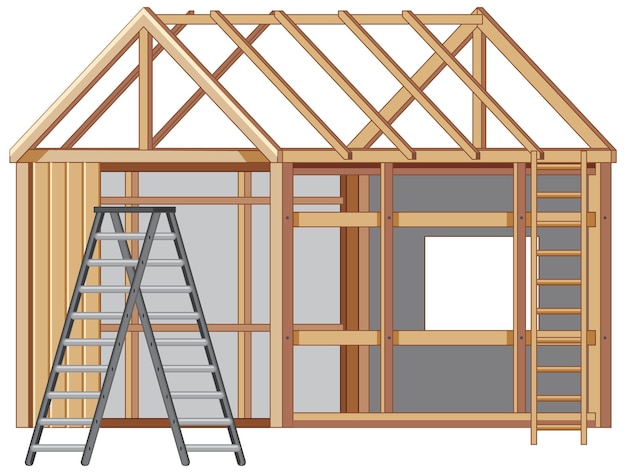
Construction corporations face growing material costs, labor shortages, and tighter client budgets. In these surroundings, every dollar saved on the front end compounds into a better cash flow and more potent competitiveness. Effective planning prevents common pitfalls like rush orders, extra stock, or mid-mission alternate orders that erode income.
Teams that prioritize targeted quantification early always document fewer surprises at some stage in construction. A Lumber Takeoff Service supports this proactive approach by providing precise material quantities, improving relationships with providers who appreciate accurate orders and are often inclined to offer better rates or priority scheduling in return.
Smart Strategies for Cutting Overhead Without Sacrificing Quality
Beyond central material quantification, numerous practical strategies can assist construction businesses to operate more leanly. Here are nine proven methods to lessen costs while retaining high standards:
1. Streamline Supplier Relationships
Build long-term partnerships with key vendors instead of shopping around for each assignment. Negotiate volume reductions, charge terms, and transport schedules based on steady business. Reliable suppliers frequently provide early access to price promotions or excess inventory at discounted prices.
2. Implement Better Inventory Controls

Track substances meticulously from shipping to installation. Use easy digital logs or apps to display usage and save you from theft, damage, or loss. Just-in-time ordering reduces storage costs and minimizes waste from weather, publicity, or obsolescence.
3. Optimize Labor Scheduling
Match team sizes exactly to day-to-day tasks and the usage of dependable mission timelines. Avoid overstaffing slow durations or paying for additional time because of poor planning. Cross-training personnel also creates flexibility so that you can shift resources effectively.
4. Embrace Technology for Repetitive Tasks
Adopt virtual gear for measurements, mission monitoring, and communication. Cloud-based systems reduce paperwork, allow real-time updates, and cut down on errors that lead to costly rework.
5. Review Designs for Value Engineering
Work with designers and clients early to perceive cost-saving options that maintain functionality and aesthetics. Small modifications in specifications can yield tremendous financial savings without affecting the quality.
6. Improve Bid Accuracy
Invest time in an external guide for developing thorough proposals. Accurate forecasts prevent leaving money on the table or winning unprofitable jobs. This area results in healthier project selection through the years.
7. Reduce Waste Through Better Site Practices
Train teams on proper cloth handling, slicing optimization, and recycling packages. Even small upgrades in how lumber, concrete, or finishes are controlled can yield as much as meaningful annual savings.
8. Monitor and Analyze Project Data
Track actual prices against estimates on every activity. Regular reviews reveal patterns, whether positive trades consistently overrun or unique providers perform better. Use those insights to refine future processes.
9. Outsource Non-Core Functions Strategically
Focus internal staff on high-cost activities like client relationships and task management. Reliable external partners can take care of specialized duties more efficiently and at lower costs than building the entirety in-house.
Enhancing Efficiency with Professional Support
Estimating companies that leverage professional assistance frequently attain quicker turnaround times and higher win rates. Professional teams carry fresh views and tested methodologies that assist in discovering financial savings possibilities inner workforces may overlook because of day-to-day pressures.
This outside support also offers scalability. Construction Estimators in Alabama help businesses maintain high quality during busy periods without hiring a temporary team of workers or burning out current groups. The consistency gained translates into more potent financial performance across a couple of initiatives.
Final Thoughts
Reducing expenses in a commercial enterprise calls for a balanced method that mixes smart planning, green processes, and strategic partnerships. By specializing in accuracy, leveraging technology, and continuously reviewing performance, businesses can build stronger economic foundations while turning in remarkable results for clients. The key is constant execution of small enhancements across more than one region, compounded into considerable competitive advantages over the years. Businesses that commit to ongoing optimization position themselves for sustainable growth even in hard marketplace conditions.
Frequently Asked Questions
How much can correct cost planning realistically save on a regular assignment?
Accurate planning regularly reduces fabric fees by 8-15% through minimized waste and optimized ordering. Additional savings come from fewer trade orders and better provider negotiations.
Is outsourcing estimation worth it for smaller construction organizations?
Yes. Smaller companies benefit from getting access to professional-stage accuracy without the overhead of full-time experts. This levels the gambling discipline against large competitors.
What position does technology play in modern-day price control?
Technology accelerates measurements, improves collaboration, and provides real-time visibility into venture finances. It allows problems to be addressed early, before they turn out to be high-priced problems.
How do you hold greatness while cutting costs?
Focus on performance instead of reasonably priced shortcuts. Better planning, stronger supplier relationships, and clever, useful resource allocation deliver savings without compromising requirements.
When does a business enterprise need a professional estimating guide?
Consider the guide when bid quantity increases, mistake rates increase, or profit margins decrease. Early intervention frequently prevents larger monetary issues down the road.