18 Inch Kohler Powered Trencher: Precision Trenching for Underground UtilitiesIntroduction: Canadian Underground Installation Demands
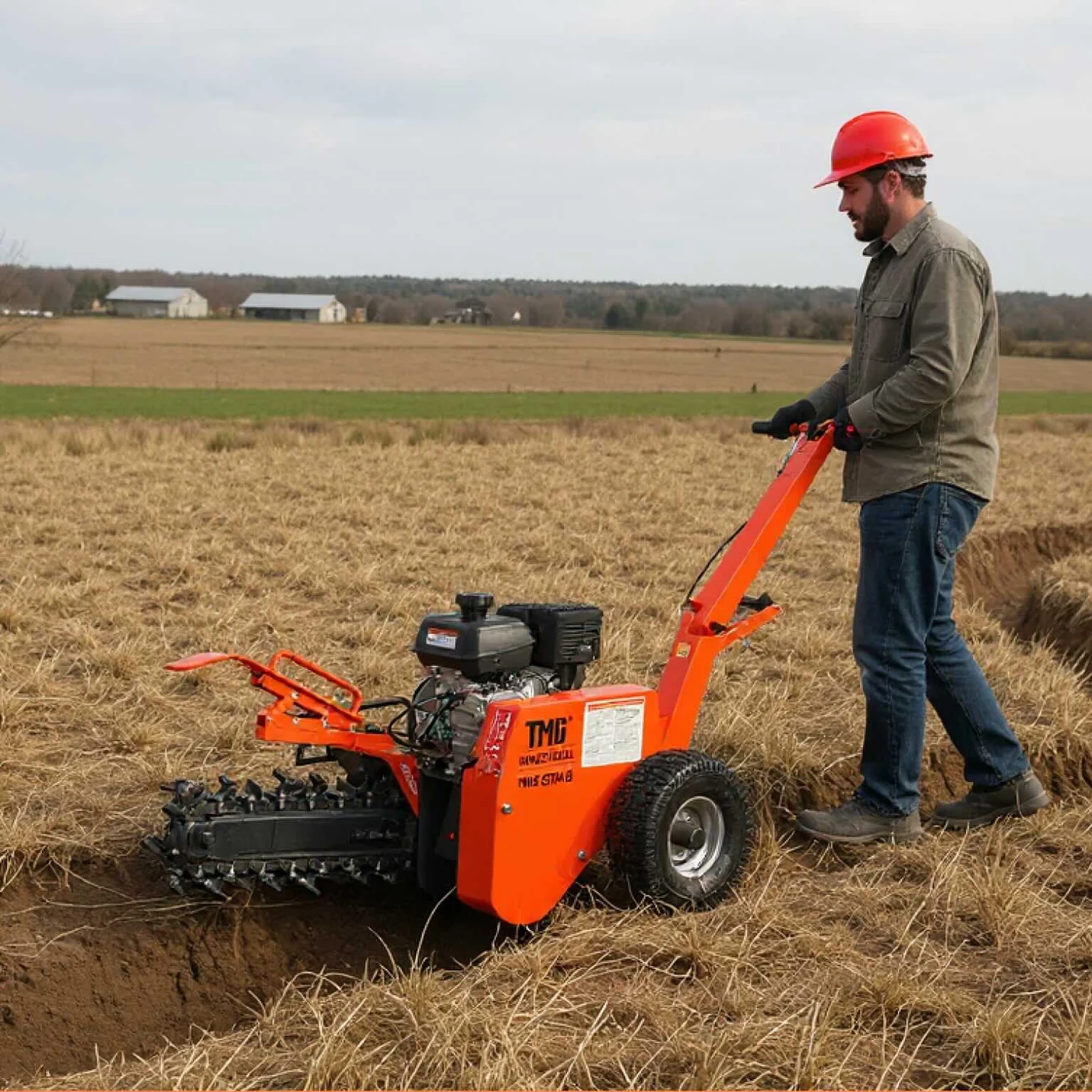
Canadian construction and agricultural sites require efficient trenching for electrical lines, water pipes, and drainage systems. Manual digging is slow and physically demanding. An 18 inch Kohler powered trencher provides mechanized trenching for utility installation. Canadian contractors, farmers, and land developers use these machines for fast, precise trenching operations. This equipment serves facilities needing narrow, uniform trenches for various underground services.
Technical Overview and Trenching Applications
The trencher features an 18 inch digging depth capacity. A Kohler gasoline engine powers the digging chain. Tungsten carbide cutting teeth resist wear in rocky and abrasive soil. The chain drive system rotates the digging boom. Hydraulic ground drive propels the machine forward. Operator controls allow variable digging speed. The compact design fits through standard gates and works in confined spaces.
Trenching applications include electrical conduit installation for site power, water line burial for irrigation, drainage tile placement for field water management, fiber optic cable trenching for communications, and gas line installation for facility heating.
Efficiency and Safety Contributions
Eighteen inch depth handles most residential and light commercial utility lines. Tungsten carbide teeth cut through roots and small rocks without damage. Self-propelled drive reduces operator fatigue. Variable digging speed matches soil conditions. One operator completes trenching tasks that would require three workers with shovels.
Enclosed chain guard contains debris and reduces projectile risk. Emergency stop bar halts all movement instantly. Low center of gravity prevents tip on slopes. Operator presence control stops digging when hands leave handles. Protective cowl covers the digging chain entry point.
Technical Specifications
Engine: Kohler gasoline, horsepower suitable for soil conditions. Digging depth: 18 inches maximum. Digging width: standard narrow width for utility lines. Cutting teeth: tungsten carbide, replaceable. Drive system: hydraulic ground drive, chain-driven digging boom. Weight: portable for trailer transport. Transport width: fits through standard doorway.
Performance Factors
Tungsten carbide teeth maintain sharpness 10 times longer than steel teeth. Chain speed adjusts to match soil conditions from sand to clay. Hydraulic drive provides consistent traction in uneven terrain. Depth adjustment allows setting precise grade for drainage lines.
Inspect cutting teeth for wear after each use. Check chain tension before starting. Lubricate chain weekly. Verify hydraulic fluid level daily. Clean debris from drive sprockets. Replace worn teeth when carbide tips show rounding.
Safety Best Practices
- Call for utility locate before digging
- Wear steel toe boots and gloves
- Keep bystanders 15 feet away
- Stop engine before clearing debris
- Use on level ground only
Never reach under raised digging boom. Keep hands clear of moving chain. Shut off engine during refueling. Operate only in daylight hours. Maintain three point contact when mounting.
Equipment Types and Accessories
Trenchers range from 12 to 36 inch depth capacity. This 18 inch model suits residential and light commercial use. Accessories include replacement tungsten carbide teeth sets. Chain sharpening tool for maintenance. Transport wheels for site mobility. Depth gauge for consistent grade. Trailer for site-to-site transport.
Advantages and Limitations
Advantages:
- 18 inch digging depth
- Kohler engine power
- Tungsten carbide teeth
- Self-propelled hydraulic drive
- Compact access width
- Replaceable cutting components
- Enclosed chain guard
Limitations:
- Not for solid rock
- Requires utility locate before use
- Regular tooth replacement needed
- Heavy for manual loading
- Not for frozen ground
Real-World Canadian Case
A Canadian electrical contractor in Ontario installed underground power to 12 rural homes. Previous jobs used a backhoe, requiring wide trenches and restoration. Management purchased an 18 inch Kohler powered trencher. The narrow trench minimized lawn damage. Tungsten carbide teeth cut through rocky glacial till without replacement. One operator trenched 400 feet per hour. The contractor completed the project in 3 days versus 8 days estimated for manual digging. Homeowners appreciated the narrow trench restoration.
Conclusion and Future Industry Trends
Canadian construction needs efficient, narrow trenching for utility installation. Walk-behind trenchers offer precision and speed for residential and light commercial projects. Future designs may include GPS grade control for drainage slopes. Electric battery models could reduce noise and emissions. Automated depth control might improve consistency. Contractors and facility managers should evaluate trenchers for any underground utility project. The combination of 18 inch depth and tungsten carbide teeth makes this trencher suitable for diverse Canadian trenching applications.